China reaffirms support for Irans sovereignty
· 5 min read
China reaffirms support for Iran’s sovereignty
TEHRAN — Chinese Foreign Minister Wang Yi on Monday reaffirmed Beijing's support for Iran's sovereignty and security.

TEHRAN — Chinese Foreign Minister Wang Yi on Monday reaffirmed Beijing's support for Iran's sovereignty and security.
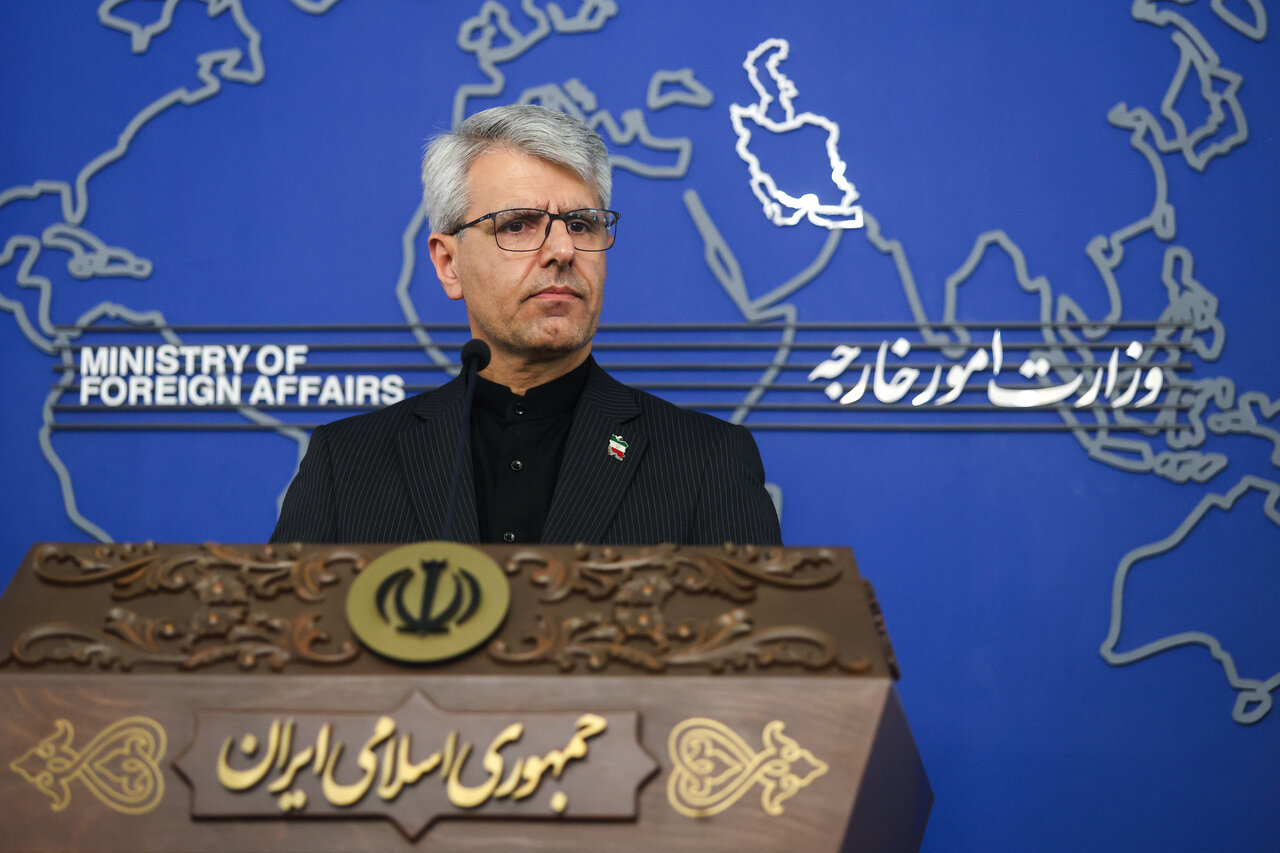
TEHRAN — Iran’s Foreign Ministry spokesperson Esmaeil Baqaei has criticized Germany and other European countries for 'contradictory positions' on the US-Israeli war of aggression against Iran, highlighting the contrast between Berlin’s earlier endorsement of Israeli attacks and its more recent warnings against renewed military action.
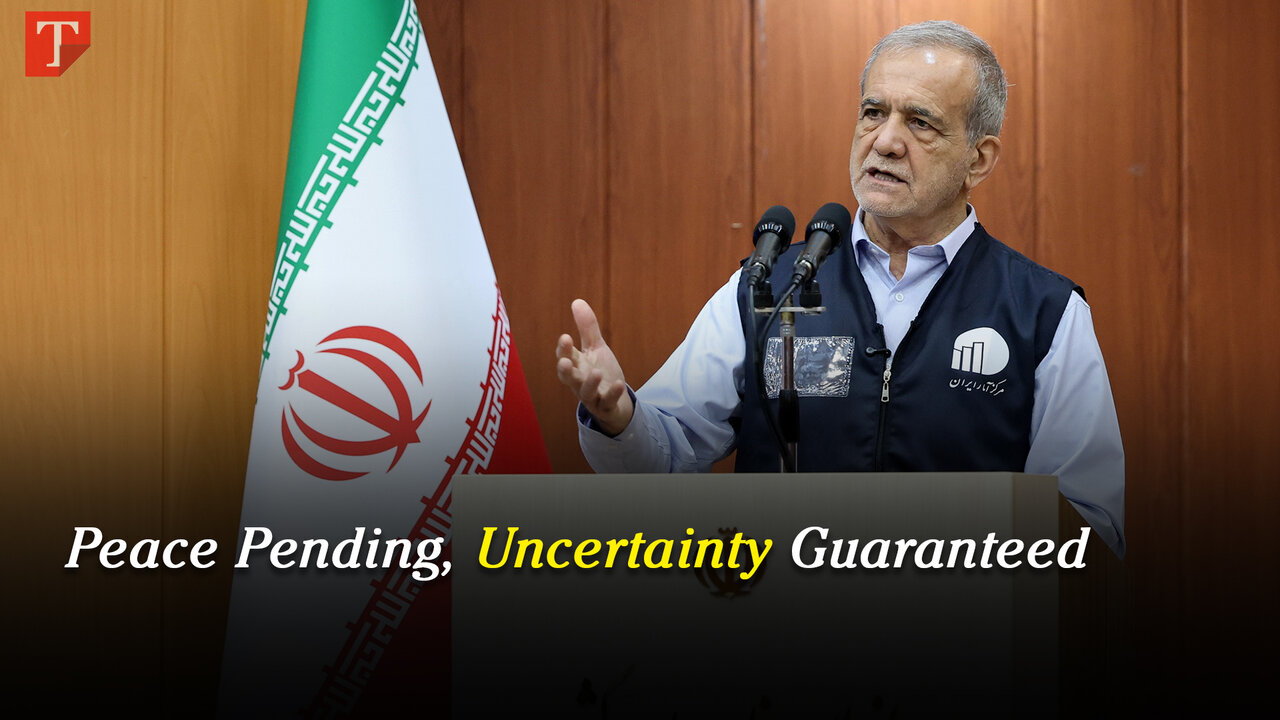
Iranian President Masoud Pezeshkian wants to end Iran’s prolonged state of “neither war nor peace”—a situation in which uncertainty has become the norm and the future remains frustratingly on hold.
TEHRAN – Iranian Foreign Ministry spokesman Esmaeil Baqaei has condemned Washington’s call for the international community to denounce Iran over insecurity in the Persian Gulf and the Strait of Hormuz, saying the United States cannot evade responsibility for its own actions by portraying the victim as the aggressor.

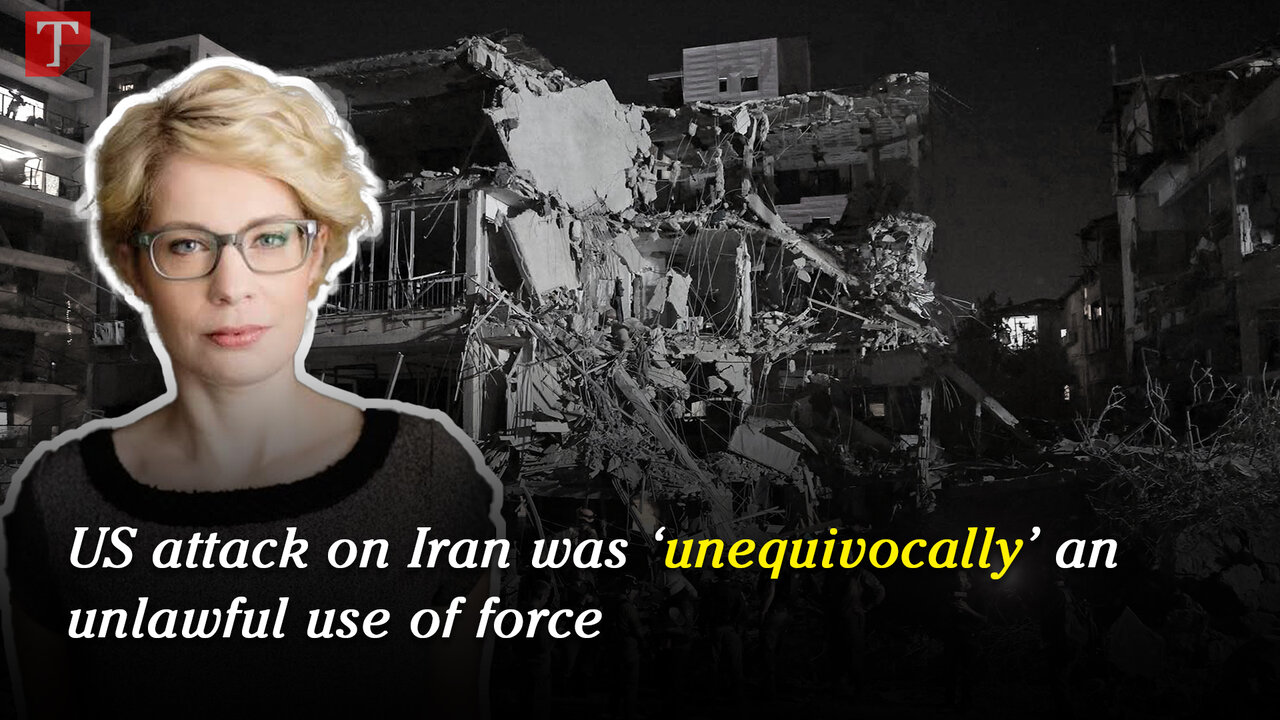
Heidi Matthews, a law professor at York University, warns that AI-assisted targeting in the US-Israeli war against Iran raises serious concerns about human oversight, civilian protection and international law.
The US and Israel may have bombed Iran’s nuclear infrastructure, but in doing so, they risk strengthening the very argument for nuclear deterrence they set out to defeat.
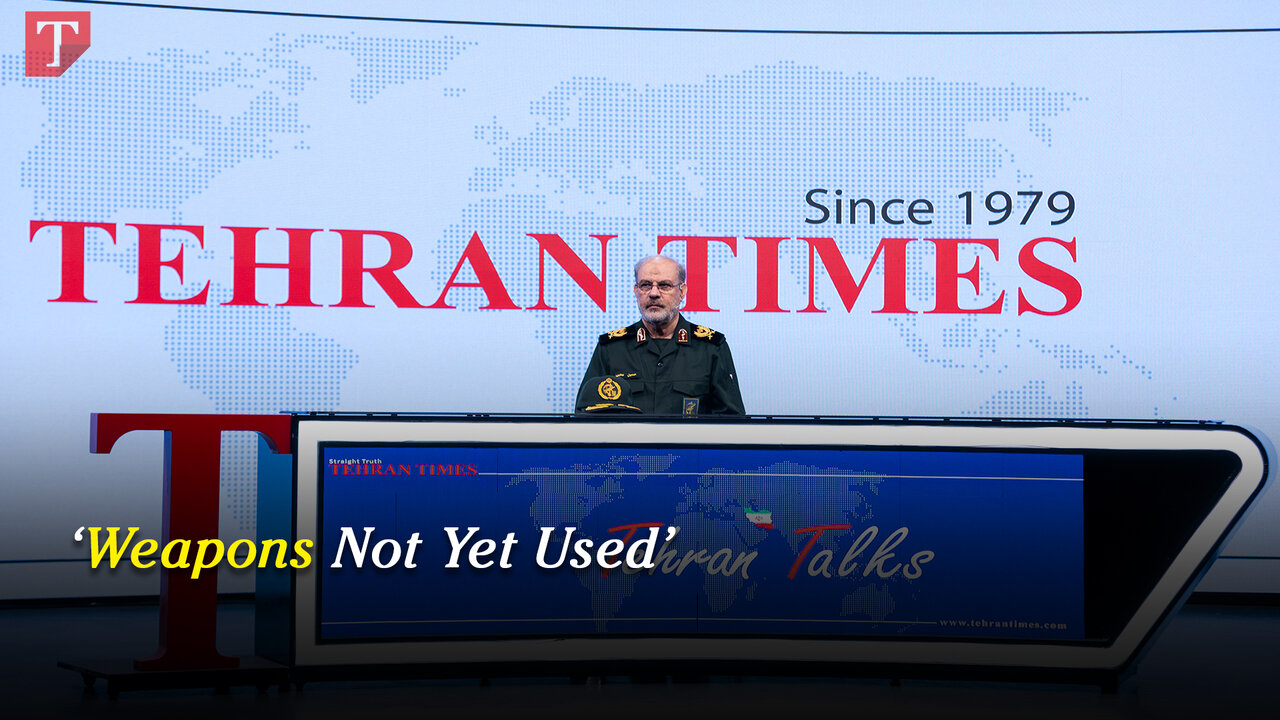
Iran's missile and drone capabilities have increased by at least 50% since the start of the war, and the country has weapons it has yet to deploy, IRGC spokesman Brigadier General Hossein Mohebbi told the Tehran Times in an exclusive interview. Warning that any renewed US military action would trigger a more severe Iranian response and deepen regional and global energy challenges, Mohebbi said Washington had failed to achieve its objectives through military pressure.
TEHRAN – More than seven months have passed since the United States, together with Israel, launched its war against Iran. What was meant to be a swift campaign to topple the Islamic Republic has instead left American bases across the region in ruins, the Strait of Hormuz still closed, and Washington without an answer to the energy crisis it helped create. With the Islamabad Memorandum of Understanding in tatters and American midterm elections approaching, the question now is whether the US will risk another escalation — or accept defeat.

The US-Israeli war against Iran has exposed a stark divide: while ordinary citizens bear the costs of conflict, defense contractors, energy firms, and politically connected figures stand to reap substantial profits.
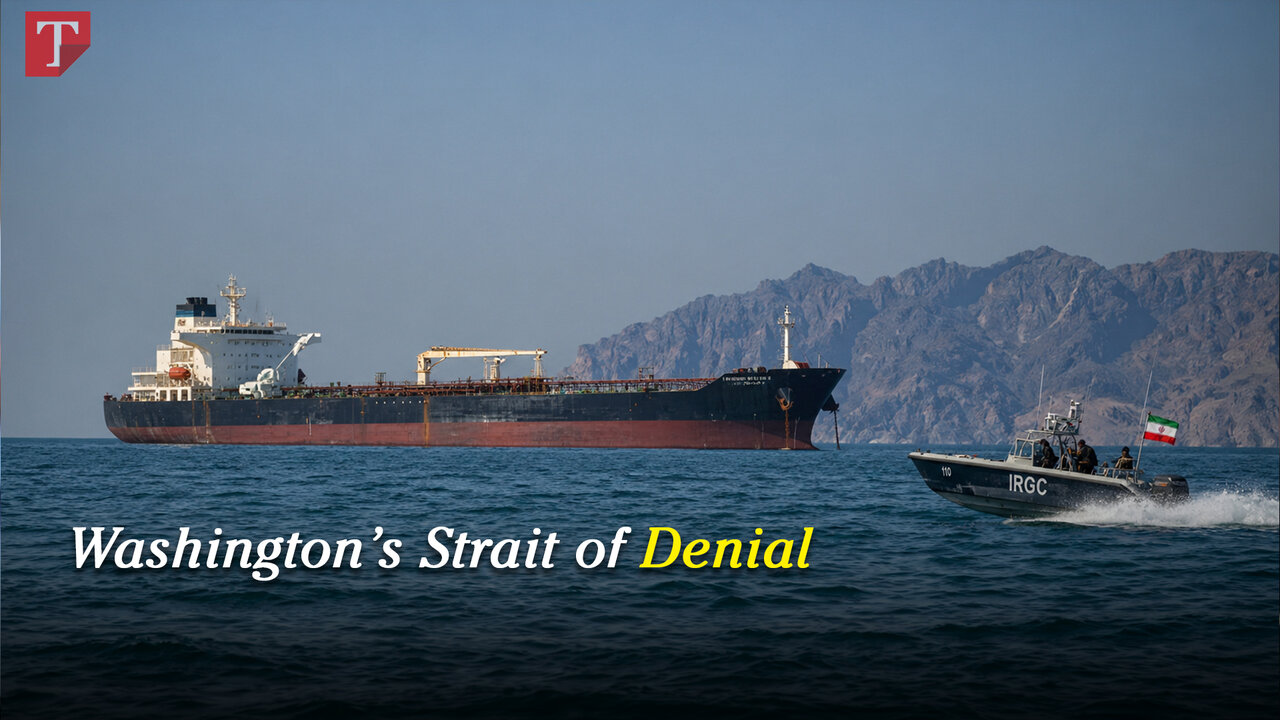
Iran has dismissed Washington’s claims of normal maritime traffic through the Strait of Hormuz, accusing the US of ignoring realities on the ground while maintaining pressure on Tehran.