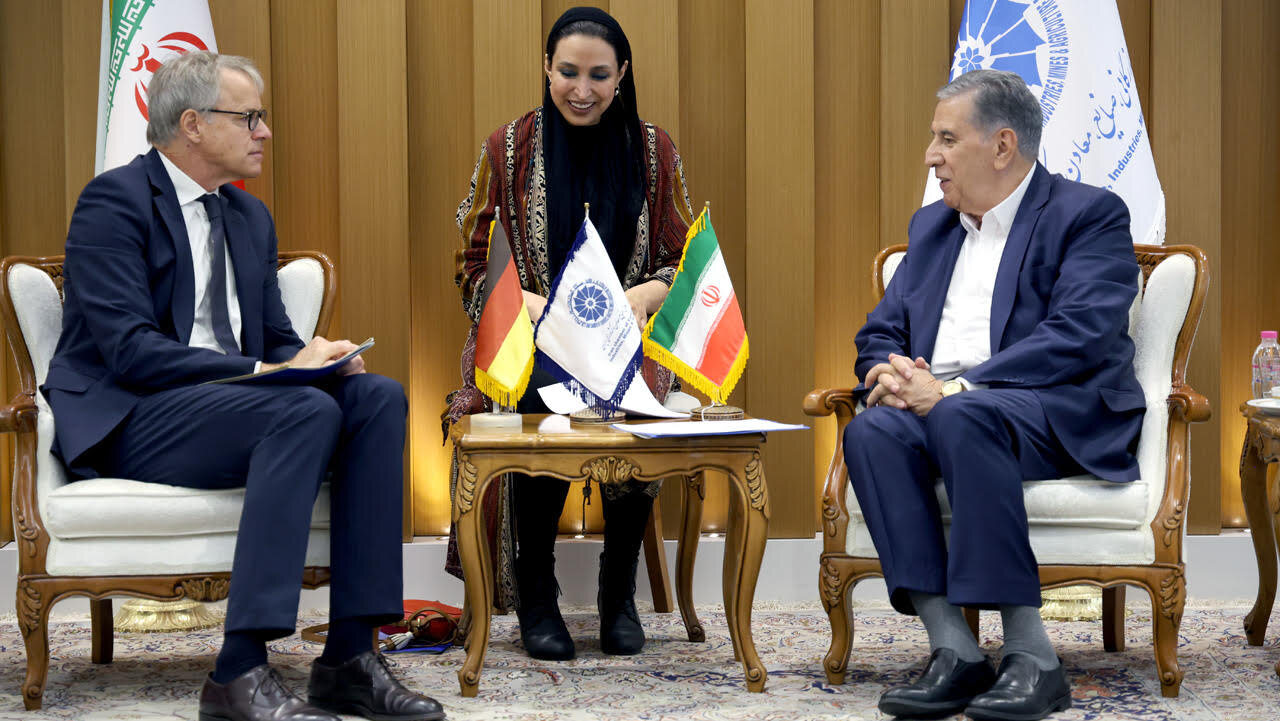
ICCIMA head German ambassador discuss ways to improve IranGermany level of relations

· 3 min read

ICCIMA head, German ambassador discuss ways to improve Iran-Germany level of relations

TEHRAN- Samad Hassanzadeh, the Head of the Iran Chamber of Commerce, Industries, Mines and Agriculture (ICCIMA), said in a meeting with Axel Dittmann, the German Ambassador in Tehran: "The Iran Chamber is moving forward on the path of developing trade and technology transfer, and is striving to increase the volume of Iran's international relations with the help of joint chambers."

ICCIMA head, German ambassador discuss ways to improve Iran-Germany level of relations

August 19 1953 A turning point in Irans struggle for sovereignty

· 2 min read

August 19, 1953: A turning point in Iran’s struggle for sovereignty

TEHRAN — August 19, 1953, remains a pivotal and deeply contested date in Iran’s modern history. The events surrounding the overthrow of Prime Minister Mohammad Mosaddegh and the subsequent political developments have continued to shape Iranian perceptions of foreign intervention, national sovereignty and independence.

August 19, 1953: A turning point in Iran’s struggle for sovereignty

Chinas economic soft power in the age of connectivity

· 3 min read

China’s economic soft power in the age of connectivity

Over the past two decades, China has evolved from an economy largely driven by mass production and industrial exports into a more complex actor in the global economy. It is no longer defined solely by low prices and high export volumes; rather, it exerts influence on international economic dynamics through a combination of industrial capacity, deeply integrated supply chains, emerging technologies, and an extensive network of overseas investment.

China’s economic soft power in the age of connectivity

Rebuilding Hope from War South Koreas Heritage Strategy Offers Iran Key Lessons

· 16 min read

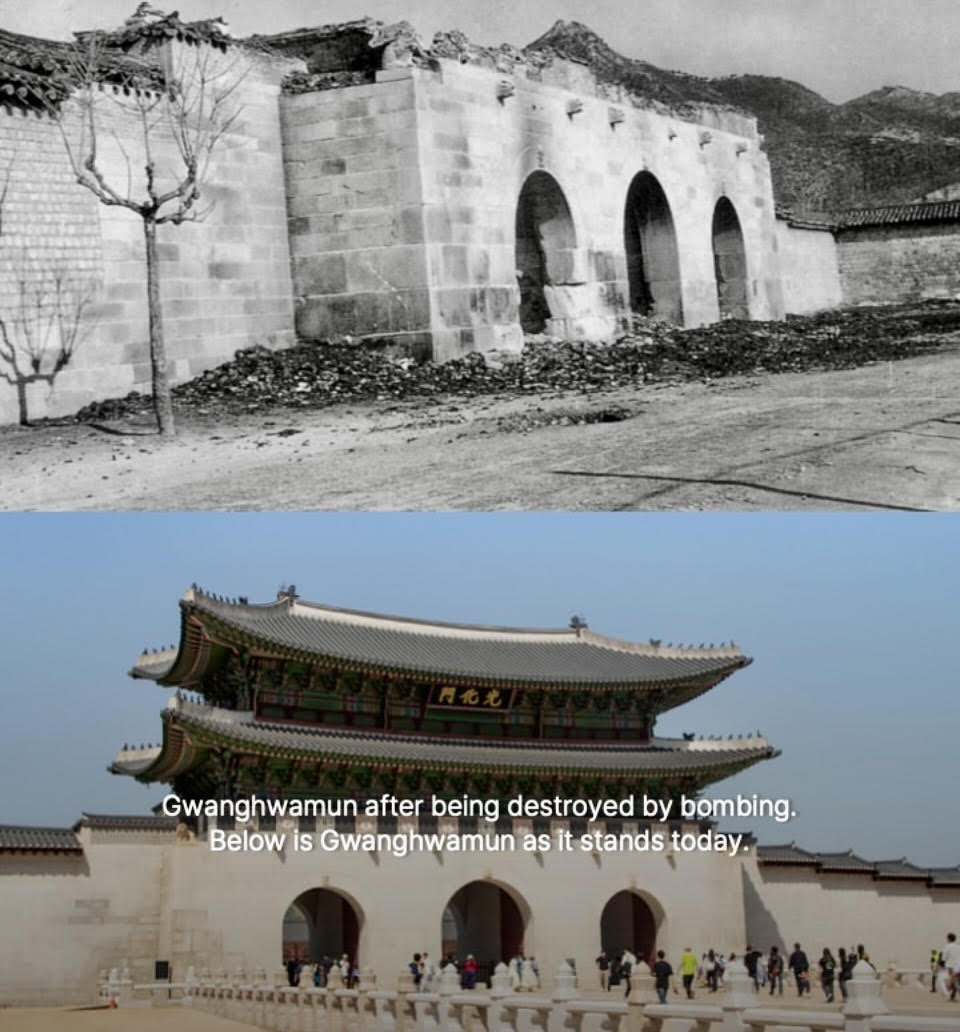
Rebuilding Hope from War: South Korea's Heritage Strategy Offers Iran Key Lessons

TEHRAN- Historical monuments are not merely symbols of a nation's identity; they are also testaments to that nation's resilience against the vicissitudes of history and narrators of its past experiences. Although in recent years, especially after the two World Wars, historical monuments have come under the umbrella of international protection, obligating global sensitivities for warring parties to preserve these sites in each other's territories, the inherently destructive nature of war, combined with its objectives which tend toward the annihilation of the enemy and consequently the erasure or at least weakening of their identity, has meant that this sector has not been spared from the negative effects of war damage.
Rebuilding Hope from War: South Korea's Heritage Strategy Offers Iran Key Lessons