1200 inactive mines revived permitselling combatted in mining sector
1,200 inactive mines revived, permit-selling combatted in mining sector
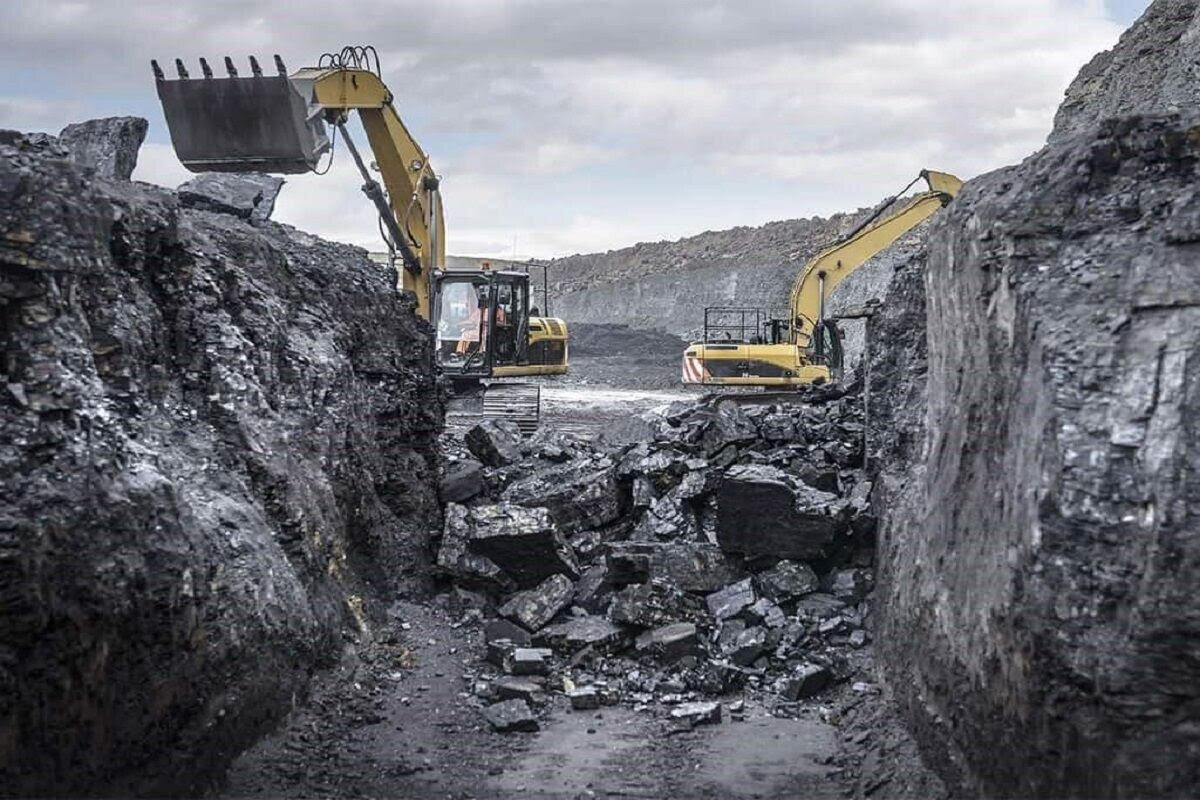
TEHRAN- The spokesperson of the Ministry of Industry, Mining and Trade announced the reactivation of 1,200 inactive mines in the country and said: By delegating part of the headquarters' authorities to the provinces, shortening administrative processes, and offering investment packages, the ground has been prepared for a broader presence of the private sector in the mining sector.
Ezzatollah Zarei, in an exclusive interview with IRNA, referring to the high cost of exploration activities, stated: Government financial resources alone cannot meet the needs of this sector; therefore, by synergizing resources and creating economic attractiveness, we must pave the way for private sector entry into exploration and exploitation of mines.
He added: Developing private sector investment both benefits economic actors and secures the government's interests, because with the exploitation of mines, revenues such as state royalties, ownership rights, and taxes are realized.
Zarei, stating that the mining sector, alongside the oil industry, can play a significant role in the country's economy, said: Mining cannot be considered a complete substitute for oil, but this sector has the capacity to have a large, and even greater, share in the country's economy and revenue generation alongside oil.
- Targeting 13.5% growth for mining sector
The spokesperson of the Ministry of Industry, Mining and Trade, referring to the goals of the Development Program Law, stated: According to the program, the growth of the mining sector must reach 13.5% by the end of the period. To achieve this goal, a series of actions have been initiated regarding the activation of mines, infrastructure development, and facilitating the investment process.
He continued: In this regard, 1,200 inactive mines have been reactivated. Also, part of the authority related to mining areas, inactive mines, and transfer of permits has been delegated to the provinces so that decisions can be made more quickly.
Zarei explained: Previously, a miner operating, for example, in Chaharmahal-Bakhtiari, had to refer to the ministry's headquarters to follow up on many matters. Now, by delegating authority to the provinces, we have tried to make the decision-making structure agile and shorten the path for investors to enter.
- Combating permit-selling in mining sector
The spokesperson of the Ministry of Industry, Mining and Trade considered the transparency of the mine transfer process as one of the other programs of the ministry and said: In the past, it was possible for an individual to hold several mining files or permits, leading to the phenomenon of permit-selling. Now, the transfer of mining areas is done through auctions, and the provinces, according to their capacities, hold auctions every three or four months.
He added: Applicants who intend to acquire several mines must have the necessary standards, qualifications, and capabilities; otherwise, the mine will not be transferred to them. The implementation of this policy has helped increase transparency in the mining sector.
- Defining 95 investment packages
Zarei reported the design of 95 investment packages in the field of mining exploitation and said: These packages have been defined for offering to investors in various parts of the country. Some mines may not have sufficient economic attractiveness on their own; therefore, we are trying to provide the ground for investment in them by offering the necessary support and incentives.
He also stated regarding the presence of foreign investors: There is foreign investment in some of the country's mines, but its amount is not proportionate to Iran's capacities. Chinese investors have been present in sectors such as dimension stone, gypsum, and copper, and investors from Central Asian countries, including Kazakhstan, have also operated in some mining fields.
According to Zarei, the limited foreign investment in the mining sector is influenced by the general economic and international conditions of the country.
- Construction of 66 km of access roads to mines
The spokesperson of the Ministry of Industry, Mining, and Trade, emphasizing the importance of developing mining infrastructure, announced: So far, 66 kilometers of access roads to mines have been constructed or upgraded. The Ministry considers access roads to be part of the essential infrastructure of mines and is pursuing actions such as construction and asphalt paving of routes in this regard.
He added: Facilitating access to mines reduces the operating costs for exploiters and makes conditions more favorable for investors.
- Continuation of collecting export duties on raw materials
Zarei also said about export duties on raw and semi-raw materials: According to the program law, a list of raw and semi-raw materials, as well as materials the country needs, must be prepared and duties determined for their export in accordance with domestic demand.
He continued: The expert reviews and the relevant list for amending the duties had been carried out, but due to wartime conditions, its final notification and approval were postponed; because in such circumstances, the country may be forced to export some raw materials to secure foreign currency.
The spokesperson of the Ministry of Industry, Mining and Trade emphasized: The postponement of amending the duties does not mean their elimination, and exporters of raw and semi-raw materials must still pay the performance tax and duties determined under the previous resolution. The resolution of the year 2024 (1403 in the Persian calendar) is still valid and being implemented.
- Import of mining machinery not produced domestically
Zarei further pointed to the obsolescence of part of the mining machinery fleet and said: Renovation of mining equipment is essential, because new machinery consumes less fuel and increases the productivity of mining activities.
He added: Permits have been issued for the import of mining machinery without foreign currency transfer, and the specialized office of the Deputy for Mines and Mining Industries is pursuing this matter; although the entry of equipment still faces difficulties.
The spokesperson of the Ministry of Industry, Mining and Trade, considered supporting domestic manufacturers as one of the principles of policy-making in this area and noted: For machinery that has a domestic sample, imports are not approved. We must use domestic production so that manufacturers can gradually improve the quality of their products; however, the import of machinery and equipment that are not produced domestically will be approved.
EF/MA
source: tehrantimes.com